May 22, 2026
AI big model into the hardware terminal, really empower which user value
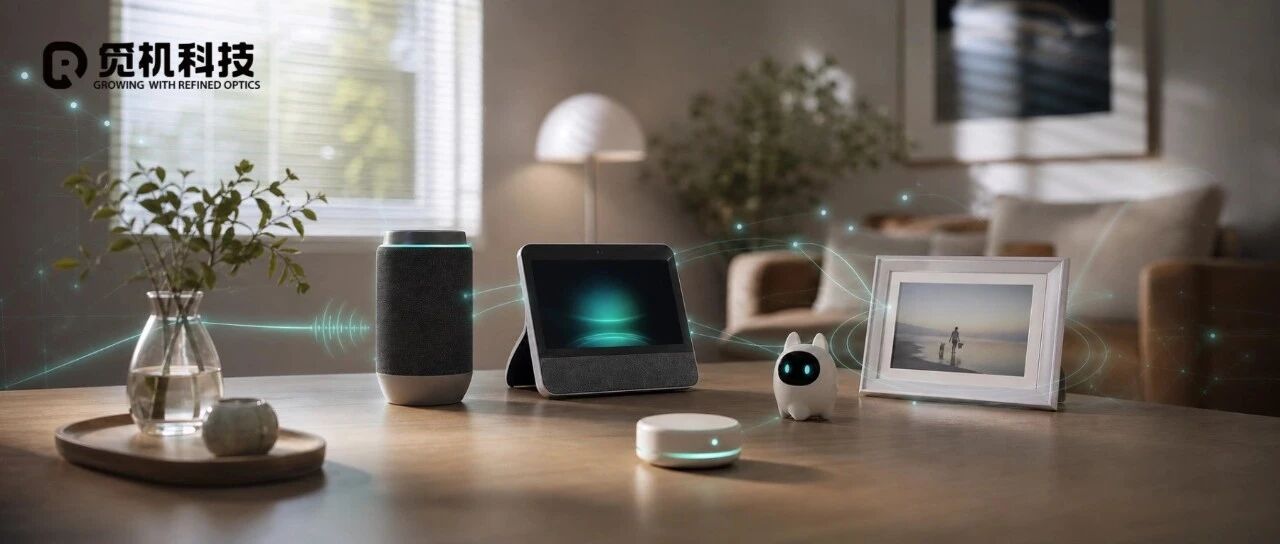
The value of large AI models is shifting from software interfaces to hardware experiences.
When AI is integrated into smart hardware devices, the key lies not merely in “adding AI,” but in whether AI can make the product easier to use, more context-aware, and more worthy of continued use.
What users truly perceive is not simply an additional “AI feature” on the device, but interactions that are more effortless, feedback that feels more natural, and a product that seems to respond to their needs.
If AI merely replaces a button, a remote control, or a specific path within an app, the changes it brings remain limited. A truly effective upgrade is one that creates a differentiated value that users can tangibly perceive.
Making Products More User-Friendly
Smart hardware faces an inescapable problem: while more and more features are added, very few are actually used frequently by users. A vast array of capabilities is buried under multiple layers of menus, requiring users to memorize commands, understand operational logic, and go through repeated trial and error just to get started.
The first change brought by large AI models is a genuine lowering of the barrier to entry.
Once large AI models are integrated into the user experience layer, products can better understand natural language. Users no longer need to recite standard commands or memorize specific feature names; they simply need to express their needs, and the device can then translate those into appropriate feedback and control outcomes.
While this change appears to occur at the point of interaction, it actually lowers the barrier to using the product. Only when the interaction logic shifts from “the user adapting to the product” to “the product adapting to the user”does smart hardware truly meet the prerequisites for everyday use.
Making Products More Attuned to Usage Scenarios
In real-world usage scenarios, users often cannot directly articulate specific parameters; instead, they express states and feelings. For example, they might want it to be quieter, want to relax, or not be disturbed. These expressions represent not a single command, but a set of experiential expectations.
The value of large AI models lies not in “understanding a single sentence,” but in comprehending the context of that sentence and providing an appropriate response to the situation.
This kind of value can be found in a variety of smart devices:
Home devices can reduce the need for users to make repeated selections; companion products can adjust their response pace based on the content of the conversation; and smart lighting can move beyond simple adjustments to provide experiences that better align with users’ current states.
Enabling products to provide emotional responses
Emotional value refers to a product’s ability to provide users with a clearer sense of response, companionship, and conversational rhythm during interactions.
For AI toys, companion devices, and home interactive terminals, users care not only about what the device says but also whether it can follow the conversation, understand the context, and provide appropriate feedback at the right time.
This ability to provide emotional responses often influences users’ willingness to use a product more than a list of features.
For example, in a bedtime companion scenario, users may not need more features, but rather a softer voice and a response style that is unobtrusive and natural.
Products that can effectively process user expressions and maintain conversational coherence are more likely to foster lasting engagement.
From One-Time Control to Continuous Interaction
The typical usage pattern of traditional smart hardware is a chain of isolated commands: the user issues a command, the device executes it, and the conversation ends.
The device cannot remember what the user said last time, nor can it anticipate what might be needed next.
Large AI models are transforming the underlying logic of this “one-off interaction.”
Users can express multiple needs in a single conversation, and the product can maintain context and understand the connections between them.
A voice command, a screen, a knob, or a sensor-triggered action are no longer isolated triggers but can become part of a continuous experience.
Truly valuable AI hardware does more than just answer questions or execute commands; it reduces the number of choices users must make, minimizes wait times, and requires less adaptation to the device.
Bringing the Experience to Life
User value does not automatically materialize simply by integrating a model; for AI capabilities to be embedded in hardware devices, they must ultimately be woven into a complete system experience.
Integration of mainstream AI capabilities, stable communication connections, sensor and control interfaces, and overall device integration and debugging all influence the naturalness, stability, and continuity that users ultimately experience.
The distinction between AI hardware often lies in whether these details can work together seamlessly.
MiJi Technology continues to advance the implementation of relevant solutions by focusing on large AI models, multimodal interaction, and smart hardware integration capabilities. Our focus is not merely on connecting devices to AI, but on ensuring that AI capabilities truly become part of the product experience.
We aim to create clear value in smart hardware by making it more user-friendly, more context-aware, more responsive, and capable of sustained interaction.